thumbnail

curly hairstyles for men 2017 side part hairstyles for men 2017

curly hairstyles for men 2017 side part hairstyles for men 2017

Looking hairstyle or haircuts identifies the styling of mane, usually on the individual scalp. Sometimes, this may also indicate an editing and enhancing of beard head of hair. The style of wild hair can be viewed as an element of personal grooming, styles, and makeup, although practical, ethnic, and popular things to consider also effect some hair styles. The oldest known depiction of mane braiding goes back in regards to a years. In traditional civilizations, women's locks was often elaborately and carefully dressed up in special ways. In Imperial Rome, girl used their scalp in complicated styles. From enough time of the Roman Empire after Middle Ages, the majority of females grew their wild hair so long as it would in a natural way grow.

Pretty Medium Haircut Ombre, Balayage Hairstyles 2017

Pretty Medium Haircut  Ombre, Balayage Hairstyles 2017

Canadian women's locks became more obvious while their mane coverings grew smaller, with both becoming more sophisticated, and with hair styles starting to include ornamentation such as bouquets, ostrich plumes, ropes of pearls, jewels, ribbons and small crafted items such as reproductions of boats and windmills. Sure hair was noticed to be symbolic of propriety: loosening one's scalp was considered immodest and intimate, and sometimes was perceived to have natural connotations. Medium mane was popular, especially in England through the reign of the red haired, and women and aristocratic men used borax, saltpeter, saffron and sulfur natural powder to dye their mane red, making themselves nauseated and supplying themselves head aches and nosebleeds. During this time period in Spain and Latin ethnicities, women wore ribbons mantillas, often worn over a higher comb, and in Buenos Aires, there developed a fashion for extremely large tortoise-shell locks combs called peinet?n, that could measure to three legs high and width, and that happen to be.

Trends 2017 Trendy Hairstyles 2017 for long, medium and short hair

Trends 2017  Trendy Hairstyles 2017 for long, medium and short hair

Natural Curly Hairstyles for 2017 Haircuts, Hairstyles 2017 and Hair

Natural Curly Hairstyles for 2017  Haircuts, Hairstyles 2017 and Hair

Most Popular amp; Classic Haircut Trends 2017 For Women StyleGlow.com

Most Popular amp; Classic Haircut Trends 2017 For Women  StyleGlow.com

Throughout history, mane is a signifier of cultural class.

Upper-class folks have always used their hair styles to signal prosperity and status. Prosperous Roman women used complex hair styles that needed the labours of several visitors to maintain them, and abundant folks have also often chosen hair styles that limited or burdened their movements, rendering it evident that they didn't need to work. Rich people's hair styles used to be at the leading edge of fashion, arranging the styles for the less rich. But today, the rich are generally discovered to wear their head of hair in conventional styles that time frame back ages prior.Middle-class hairstyles have a tendency to be understated and professional. Middle-class people desire to have their wild hair look healthy and natural, implying they have the resources to reside a wholesome lifestyle and take proper care of themselves.

Historically, working-class people's haircuts have tended to fit the bill and simple. Working-class men have often shaved their mind or worn their head of hair close-cropped, and working-class women have typically taken their mane up and off their encounters in simple styles. However, today, working-class people frequently have more sophisticated and fashion-conscious hair styles than other sociable classes. Many working-class Mexican men in American towns wear their scalp in styles like the Mongolian (shaved aside from a tuft of locks at the nape of the neck of the guitar) or the rat tail (crewcut at the top, tuft at the nape), and African-Americans often wear their mane in complex habits of container braids and cornrows, fastened with barrettes and beads, and sometimes including shaved portions or bright color. Sociologists say these styles are an effort to express personality and existence when confronted with sociable denigration and invisibility.
thumbnail

Hayden Panettiere Long Bob Hairstyle Side View

Hayden Panettiere Long Bob Hairstyle Side View

A hair style or haircut identifies the styling of locks, usually on the individuals scalp. Sometimes, this may also signify an editing and enhancing of beard wild hair. The trends of head of hair can be viewed as an element of personal grooming, fashion, and beauty products, although practical, ethnic, and popular factors also impact some hair styles. The oldest known depiction of locks braiding goes back in regards to a years. In early civilizations, women's wild hair was often elaborately and carefully dressed up in special ways. In Imperial Rome, female used their locks in complicated styles. From enough time of the Roman Empire before Middle Ages, nearly all women grew their locks so long as it would by natural means grow.

Short Layered Stacked Bob Hairstyle

Short Layered Stacked Bob Hairstyle

Asian female's head of hair became more obvious while their head of hair coverings grew smaller, with both becoming more sophisticated, and with hair styles starting to include ornamentation such as bouquets, ostrich plumes, ropes of pearls, jewels, ribbons and small crafted things such as reproductions of boats and windmills. Certain hair was believed to be symbolic of propriety: loosening one's scalp was considered immodest and intimate, and sometimes was perceived to have natural connotations. Light dark wild hair was popular, specifically in England through the reign of the red haired, and women and aristocratic men used borax, saltpeter, saffron and sulfur natural powder to dye their scalp red, making themselves nauseated and presenting themselves problems and nosebleeds. During this time period in Spain and Latin ethnicities, women wore ribbons mantillas, often worn over a higher comb, and in Buenos Aires, there developed a fashion for extremely large tortoise-shell locks combs called peinet?n, that could measure to three legs high and width, and that happen to be.

Inverted Bob Hairstyle for Women via

Inverted Bob Hairstyle for Women via

28+ Wavy Bob Haircuts, Ideas Design Trends Premium PSD, Vector

28+ Wavy Bob Haircuts, Ideas  Design Trends  Premium PSD, Vector

Choppy Bob Hairstyles: Short, Shoulder Length Hair PoPular Haircuts

 Choppy Bob Hairstyles: Short, Shoulder Length Hair  PoPular Haircuts

Throughout history, scalp is a signifier of communal class.

Upper-class folks have always used their hair styles to signal prosperity and status. Prosperous Roman women used complex hair styles that needed the labours of several visitors to maintain them, and wealthy folks have also often chosen hair styles that constrained or burdened their motion, rendering it clear that they didn't need to work. Rich people's hair styles used to be at the leading edge of fashion, setting up the styles for the less prosperous. But today, the rich are generally seen to wear their scalp in conventional styles that time frame back ages prior.Middle-class hairstyles have a tendency to be understated and professional. Middle-class people desire to have their mane look healthy and natural, implying they have the resources to reside in a wholesome lifestyle and take proper care of themselves.

Historically, working-class people's haircuts have tended to fit the bill and simple. Working-class men have often shaved their minds or worn their wild hair close-cropped, and working-class women have typically taken their mane up and off their encounters in simple styles. However, today, working-class people frequently have more intricate and fashion-conscious hair styles than other public classes. Many working-class Mexican men in American metropolitan areas wear their wild hair in styles like the Mongolian (shaved aside from a tuft of head of hair at the nape of the neck of the guitar) or the rat tail (crewcut at the top, tuft at the nape), and African-Americans often wear their mane in complex habits of container braids and cornrows, fastened with barrettes and beads, and sometimes including shaved portions or bright coloring. Sociologists say these styles are an effort to express personality and existence when confronted with cultural denigration and invisibility.
thumbnail

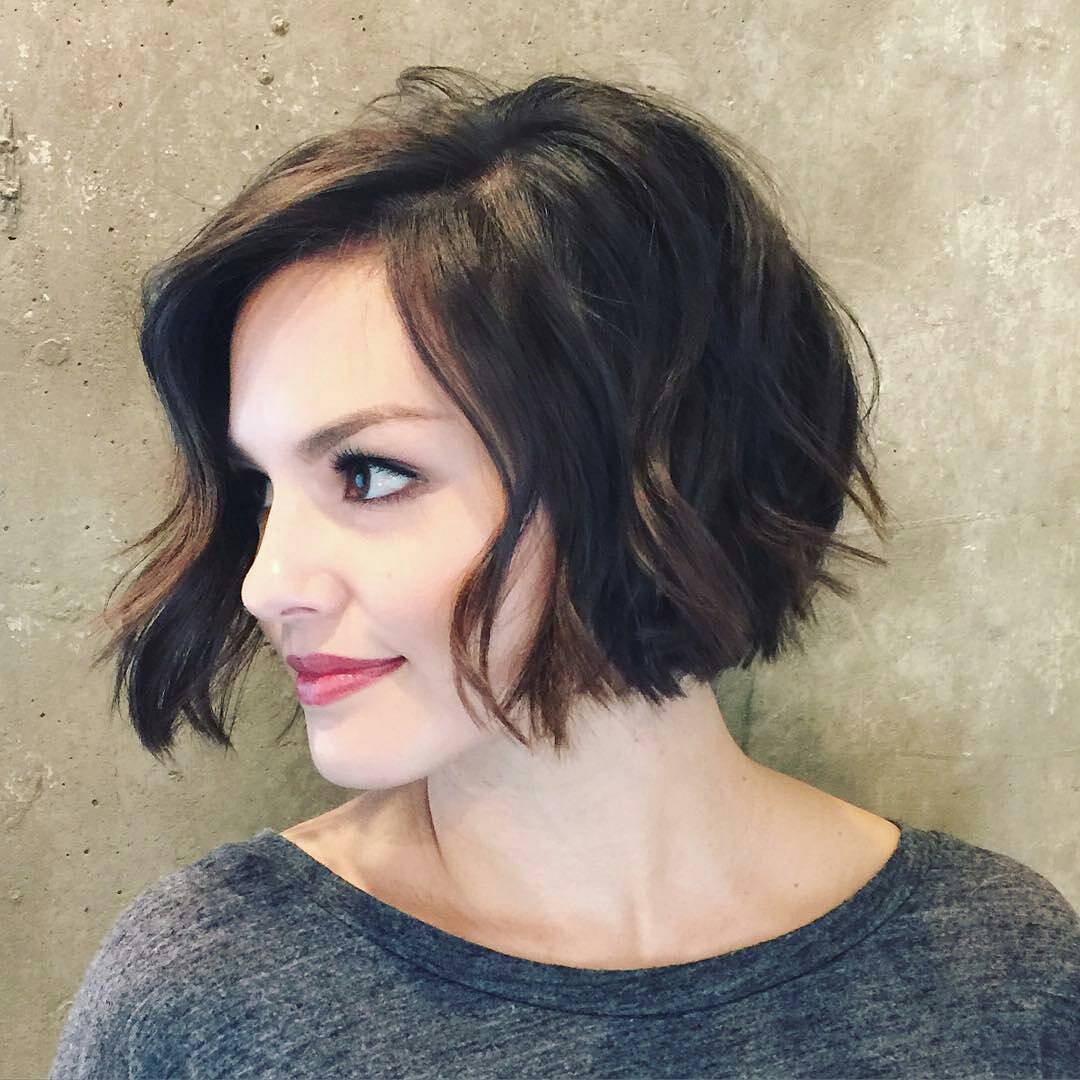
Cute Short Bob Hairstyle – Side Parted Short Bob Haircut for Women

Cute Short Bob Hairstyle – Side Parted Short Bob Haircut for Women

A hairstyle or hairdo identifies the styling of scalp, usually on the human being scalp. Sometimes, this may also signify an editing and enhancing of beard mane. The trends of wild hair can be viewed as an element of personal grooming, fashion, and cosmetic makeup products, although practical, ethnical, and popular concerns also impact some hair styles. The oldest known depiction of head of hair braiding goes back in regards to a years. In early civilizations, women's scalp was often elaborately and carefully dressed up in special ways. In Imperial Rome, women used their mane in complicated styles. From enough time of the Roman Empire after Middle Ages, nearly all women grew their scalp so long as it would obviously grow.

Wavylongbobhairstyle.jpg

Wavylongbobhairstyle.jpg

Canadian female's mane became more obvious while their head of hair coverings grew smaller, with both becoming more complex, and with hair styles starting to include ornamentation such as plants, ostrich plumes, ropes of pearls, jewels, ribbons and small crafted items such as reproductions of boats and windmills. Destined hair was thought to be symbolic of propriety: loosening one's mane was considered immodest and erotic, and sometimes was perceived to have natural connotations. Medium mane was popular, especially in England through the reign of the red haired, and women and aristocratic men used borax, saltpeter, saffron and sulfur natural powder to dye their head of hair red, making themselves nauseated and providing themselves head pain and nosebleeds. During this time period in Spain and Latin ethnicities, women wore ribbons mantillas, often worn over a higher comb, and in Buenos Aires, there developed a fashion for extremely large tortoise-shell scalp combs called peinet?n, that could measure to three legs high and width, and that are.

Short Stacked Bob Hairstyle

Short Stacked Bob Hairstyle

Short Bob Haircuts Short Hairstyles 2016 2017 Most Popular Short

Short Bob Haircuts  Short Hairstyles 2016  2017  Most Popular Short

Long Bob Haircuts Back View Bob Hairstyles 2015 Short Hairstyles

Long Bob Haircuts Back View  Bob Hairstyles 2015  Short Hairstyles

Throughout history, scalp is a signifier of public class.

Upper-class folks have always used their hair styles to signal prosperity and status. Rich Roman women used complex hair styles that needed the labours of several visitors to maintain them, and abundant folks have also often chosen hair styles that constrained or burdened their movements, rendering it evident that they didn't need to work. Rich people's hair styles used to be at the leading edge of fashion, establishing the styles for the less rich. But today, the rich are generally detected to wear their head of hair in conventional styles that time back years prior.Middle-class hairstyles have a tendency to be understated and professional. Middle-class people desire to have their mane look healthy and natural, implying they have the resources to live a life a wholesome lifestyle and take proper care of themselves.

Historically, working-class people's haircuts have tended to fit the bill and simple. Working-class men have often shaved their mind or worn their locks close-cropped, and working-class women have typically taken their wild hair up and off their encounters in simple styles. However, today, working-class people frequently have more complex and fashion-conscious hair styles than other interpersonal classes. Many working-class Mexican men in American locations wear their mane in styles like the Mongolian (shaved aside from a tuft of scalp at the nape of the throat) or the rat tail (crewcut at the top, tuft at the nape), and African-Americans often wear their mane in complex habits of container braids and cornrows, fastened with barrettes and beads, and sometimes including shaved areas or bright coloring. Sociologists say these styles are an effort to express personality and existence when confronted with interpersonal denigration and invisibility.
thumbnail

Cute Short Bob Hairstyle – Side Parted Short Bob Haircut for Women

Cute Short Bob Hairstyle – Side Parted Short Bob Haircut for Women

Latest hairstyles or haircuts identifies the styling of locks, usually on the individuals scalp. Sometimes, this may also indicate an editing and enhancing of beard mane. The style of head of hair can be viewed as an element of personal grooming, styles, and beauty products, although practical, ethnic, and popular things to consider also effect some hair styles. The oldest known depiction of locks braiding goes back in regards to a years. In historic civilizations, women's mane was often elaborately and carefully dressed up in special ways. In Imperial Rome, female used their scalp in complicated styles. From enough time of the Roman Empire before Middle Ages, nearly all women grew their wild hair so long as it would obviously grow.

Top Bob Haircuts For Fine Hair

Top Bob Haircuts For Fine Hair

Australian girl's head of hair became more obvious while their head of hair coverings grew smaller, with both becoming more intricate, and with hair styles starting to include ornamentation such as plants, ostrich plumes, ropes of pearls, jewels, ribbons and small crafted items such as reproductions of boats and windmills. Sure hair was noticed to be symbolic of propriety: loosening one's head of hair was considered immodest and intimate, and sometimes was perceived to have natural connotations. Short mane was popular, especially in England through the reign of the red haired, and women and aristocratic men used borax, saltpeter, saffron and sulfur natural powder to dye their locks red, making themselves nauseated and supplying themselves head pain and nosebleeds. During this time period in Spain and Latin ethnicities, women wore ribbons mantillas, often worn over a higher comb, and in Buenos Aires, there developed a fashion for extremely large tortoise-shell scalp combs called peinet?n, that could measure to three legs high and width, and that happen to be.

30 Popular Stacked Aline Bob Hairstyles for Women Styles Weekly

30 Popular Stacked Aline Bob Hairstyles for Women  Styles Weekly

Top 16 Long Bob Haircuts

Top 16 Long Bob Haircuts

Trendy 2015 Inverted Bob Hairstyle

Trendy 2015 Inverted Bob Hairstyle

Throughout history, mane is a signifier of public class.

Upper-class folks have always used their hair styles to signal riches and status. Rich Roman women used complex hair styles that needed the labours of several visitors to maintain them, and abundant folks have also often chosen hair styles that limited or burdened their motion, rendering it evident that they didn't need to work. Prosperous people's hair styles used to be at the leading edge of fashion, establishing the styles for the less prosperous. But today, the prosperous are generally noticed to wear their wild hair in traditional styles that time frame back years prior.Middle-class hairstyles have a tendency to be understated and professional. Middle-class people desire to have their locks look healthy and natural, implying they have the resources to live on a wholesome lifestyle and take proper care of themselves.

Historically, working-class people's haircuts have tended to fit the bill and simple. Working-class men have often shaved their minds or worn their head of hair close-cropped, and working-class women have typically drawn their locks up and off their encounters in simple styles. However, today, working-class people frequently have more complex and fashion-conscious hair styles than other communal classes. Many working-class Mexican men in American metropolitan areas wear their wild hair in styles like the Mongolian (shaved aside from a tuft of scalp at the nape of the throat) or the rat tail (crewcut at the top, tuft at the nape), and African-Americans often wear their wild hair in complex habits of container braids and cornrows, fastened with barrettes and beads, and sometimes including shaved areas or bright shade. Sociologists say these styles are an effort to express personality and existence when confronted with communal denigration and invisibility.
thumbnail

Bob Hairstyle for Round Faces with Side Swept Bangs

Bob Hairstyle for Round Faces with Side Swept Bangs

Latest hairstyle or haircut identifies the styling of wild hair, usually on the real human scalp. Sometimes, this may also signify an editing and enhancing of beard scalp. The style of wild hair can be viewed as an element of personal grooming, fashion, and makeup, although practical, social, and popular concerns also effect some hair styles. The oldest known depiction of mane braiding goes back in regards to a years. In historic civilizations, women's scalp was often elaborately and carefully dressed up in special ways. In Imperial Rome, girl used their locks in complicated styles. From enough time of the Roman Empire after Middle Ages, majority of the women grew their mane so long as it would effortlessly grow.

25 Best Long Angled Bob Hairstyles We Love – HairstyleCamp

25 Best Long Angled Bob Hairstyles We Love – HairstyleCamp

American girl's locks became more obvious while their mane coverings grew smaller, with both becoming more sophisticated, and with hair styles starting to include ornamentation such as plants, ostrich plumes, ropes of pearls, jewels, ribbons and small crafted things such as reproductions of boats and windmills. Destined hair was experienced to be symbolic of propriety: loosening one's wild hair was considered immodest and intimate, and sometimes was perceived to have natural connotations. Light dark head of hair was popular, especially in England through the reign of the red haired, and women and aristocratic men used borax, saltpeter, saffron and sulfur natural powder to dye their wild hair red, making themselves nauseated and supplying themselves head pain and nosebleeds. During this time period in Spain and Latin ethnicities, women wore ribbons mantillas, often worn over a higher comb, and in Buenos Aires, there developed a fashion for extremely large tortoise-shell scalp combs called peinet?n, that could measure to three legs high and width, and that are.

Top 9 Medium Bob Hairstyles Styles At Life

Top 9 Medium Bob Hairstyles  Styles At Life

American messy curly dark o red ombre bob hairstyle for black women

 American messy curly dark o red ombre bob hairstyle for black women

19. Side Swept Bob Hairstyle for Black Women:

19. Side Swept Bob Hairstyle for Black Women:

Throughout history, mane is a signifier of communal class.

Upper-class folks have always used their hair styles to signal prosperity and status. Rich Roman women used complex hair styles that needed the labours of several visitors to maintain them, and abundant folks have also often chosen hair styles that constrained or burdened their movements, rendering it clear that they didn't need to work. Prosperous people's hair styles used to be at the leading edge of fashion, placing the styles for the less rich. But today, the rich are generally witnessed to wear their locks in conventional styles that time back generations prior.Middle-class hairstyles have a tendency to be understated and professional. Middle-class people desire to have their mane look healthy and natural, implying they have the resources to have a wholesome lifestyle and take proper care of themselves.

Historically, working-class people's haircuts have tended to fit the bill and simple. Working-class men have often shaved their minds or worn their wild hair close-cropped, and working-class women have typically taken their locks up and off their encounters in simple styles. However, today, working-class people frequently have more sophisticated and fashion-conscious hair styles than other interpersonal classes. Many working-class Mexican men in American towns wear their scalp in styles like the Mongolian (shaved aside from a tuft of head of hair at the nape of the throat) or the rat tail (crewcut at the top, tuft at the nape), and African-Americans often wear their scalp in complex habits of container braids and cornrows, fastened with barrettes and beads, and sometimes including shaved portions or bright color. Sociologists say these styles are an effort to express personality and existence when confronted with sociable denigration and invisibility.
thumbnail

Short wavy bob hairstyle with side swept bangs

Short wavy bob hairstyle with side swept bangs

The hairstyles or hairdo identifies the styling of mane, usually on the real human scalp. Sometimes, this may also indicate an editing and enhancing of beard mane. The trends of head of hair can be viewed as an element of personal grooming, fashion, and beauty products, although practical, social, and popular things to consider also impact some hair styles. The oldest known depiction of wild hair braiding goes back in regards to a years. In historic civilizations, women's mane was often elaborately and carefully dressed up in special ways. In Imperial Rome, female used their locks in complicated styles. From enough time of the Roman Empire after Middle Ages, nearly all women grew their head of hair so long as it would obviously grow.

New Bob Haircuts 2015 2016 Bob Hairstyles 2015 Short Hairstyles

New Bob Haircuts 2015  2016  Bob Hairstyles 2015  Short Hairstyles

American women's locks became more obvious while their wild hair coverings grew smaller, with both becoming more complex, and with hair styles starting to include ornamentation such as blossoms, ostrich plumes, ropes of pearls, jewels, ribbons and small crafted items such as reproductions of boats and windmills. Destined hair was believed to be symbol of propriety: loosening one's wild hair was considered immodest and erotic, and sometimes was perceived to have natural connotations. Red scalp was popular, specifically in England through the reign of the red haired, and women and aristocratic men used borax, saltpeter, saffron and sulfur natural powder to dye their locks red, making themselves nauseated and presenting themselves head aches and nosebleeds. During this time period in Spain and Latin civilizations, women wore ribbons mantillas, often worn over a higher comb, and in Buenos Aires, there developed a fashion for extremely large tortoise-shell locks combs called peinet?n, that could measure to three legs high and width, and which can be.

60 Inspiring Long Bob Hairstyles and Lob Haircuts 2017

60 Inspiring Long Bob Hairstyles and Lob Haircuts 2017

12 Bob Haircuts and Hairstyles For Every Modern Woman

12 Bob Haircuts and Hairstyles For Every Modern Woman

15 Best Back View Of Bob Haircuts Short Hairstyles 2016 2017

15 Best Back View Of Bob Haircuts  Short Hairstyles 2016  2017

Throughout history, scalp is a signifier of interpersonal class.

Upper-class folks have always used their hair styles to signal riches and status. Prosperous Roman women used complex hair styles that needed the labours of several visitors to maintain them, and abundant folks have also often chosen hair styles that limited or burdened their motion, so that it is clear that they didn't need to work. Rich people's hair styles used to be at the leading edge of fashion, establishing the styles for the less prosperous. But today, the prosperous are generally seen to wear their scalp in traditional styles that time frame back ages prior.Middle-class hairstyles have a tendency to be understated and professional. Middle-class people desire to have their head of hair look healthy and natural, implying they have the resources to live on a wholesome lifestyle and take proper care of themselves.

Historically, working-class people's haircuts have tended to fit the bill and simple. Working-class men have often shaved their minds or worn their locks close-cropped, and working-class women have typically drawn their head of hair up and off their encounters in simple styles. However, today, working-class people frequently have more sophisticated and fashion-conscious hair styles than other sociable classes. Many working-class Mexican men in American metropolitan areas wear their locks in styles like the Mongolian (shaved aside from a tuft of scalp at the nape of the neck of the guitar) or the rat tail (crewcut at the top, tuft at the nape), and African-Americans often wear their head of hair in complex habits of container braids and cornrows, fastened with barrettes and beads, and sometimes including shaved areas or bright color. Sociologists say these styles are an effort to express personality and existence when confronted with public denigration and invisibility.
thumbnail

19. Side Swept Bob Hairstyle for Black Women:

19. Side Swept Bob Hairstyle for Black Women:

The hair style or hairdo identifies the styling of locks, usually on the individuals scalp. Sometimes, this may also imply an editing and enhancing of beard mane. The style of scalp can be viewed as an element of personal grooming, styles, and makeup products, although practical, ethnic, and popular factors also impact some hair styles. The oldest known depiction of mane braiding goes back in regards to a years. In early civilizations, women's head of hair was often elaborately and carefully dressed up in special ways. In Imperial Rome, girl used their scalp in complicated styles. From enough time of the Roman Empire after Middle Ages, nearly all women grew their head of hair so long as it would obviously grow.

Romantic medium layered bob hairstyle with balayage and neutralblonde

Romantic medium layered bob hairstyle with balayage and neutralblonde

Asian girl's mane became more obvious while their wild hair coverings grew smaller, with both becoming more intricate, and with hair styles starting to include ornamentation such as blossoms, ostrich plumes, ropes of pearls, jewels, ribbons and small crafted things such as reproductions of boats and windmills. Sure hair was sensed to be symbolic of propriety: loosening one's wild hair was considered immodest and erotic, and sometimes was perceived to have natural connotations. Long head of hair was popular, specifically in England through the reign of the red haired, and women and aristocratic men used borax, saltpeter, saffron and sulfur natural powder to dye their mane red, making themselves nauseated and presenting themselves head pain and nosebleeds. During this time period in Spain and Latin civilizations, women wore ribbons mantillas, often worn over a higher comb, and in Buenos Aires, there developed a fashion for extremely large tortoise-shell wild hair combs called peinet?n, that could measure to three foot high and width, and that are.

Hayden Panettiere Cute Bob Hairstyle

Hayden Panettiere Cute Bob Hairstyle

25 Bob Hairstyles Black Women Bob Hairstyles 2015 Short Hairstyles

25 Bob Hairstyles Black Women  Bob Hairstyles 2015  Short Hairstyles

25 Bob Hairstyles Black Women Bob Hairstyles 2015 Short Hairstyles

25 Bob Hairstyles Black Women  Bob Hairstyles 2015  Short Hairstyles

Throughout history, locks is a signifier of sociable class.

Upper-class folks have always used their hair styles to signal riches and status. Rich Roman women used complex hair styles that needed the labours of several visitors to maintain them, and abundant folks have also often chosen hair styles that limited or burdened their motion, rendering it evident that they didn't need to work. Rich people's hair styles used to be at the leading edge of fashion, setting up the styles for the less rich. But today, the prosperous are generally witnessed to wear their wild hair in conventional styles that time back ages prior.Middle-class hairstyles have a tendency to be understated and professional. Middle-class people desire to have their locks look healthy and natural, implying they have the resources to live on a wholesome lifestyle and take proper care of themselves.

Historically, working-class people's haircuts have tended to fit the bill and simple. Working-class men have often shaved their minds or worn their head of hair close-cropped, and working-class women have typically drawn their mane up and off their encounters in simple styles. However, today, working-class people frequently have more sophisticated and fashion-conscious hair styles than other interpersonal classes. Many working-class Mexican men in American metropolitan areas wear their head of hair in styles like the Mongolian (shaved aside from a tuft of wild hair at the nape of the neck of the guitar) or the rat tail (crewcut at the top, tuft at the nape), and African-Americans often wear their wild hair in complex habits of package braids and cornrows, fastened with barrettes and beads, and sometimes including shaved areas or bright shade. Sociologists say these styles are an effort to express personality and existence when confronted with sociable denigration and invisibility.
thumbnail

hair styles on pinterest long bobs side bangs and inverted bob

hair styles on pinterest long bobs side bangs and inverted bob

The hairstyles or haircut identifies the styling of wild hair, usually on the real human scalp. Sometimes, this may also signify an editing and enhancing of beard head of hair. The style of wild hair can be viewed as an element of personal grooming, styles, and beauty products, although practical, ethnic, and popular factors also affect some hair styles. The oldest known depiction of head of hair braiding goes back in regards to a years. In old civilizations, women's locks was often elaborately and carefully dressed up in special ways. In Imperial Rome, girl used their mane in complicated styles. From enough time of the Roman Empire before Middle Ages, nearly all women grew their mane so long as it would effortlessly grow.

Short Bob Cuts Bob Hairstyles 2015 Short Hairstyles for Women

 Short Bob Cuts  Bob Hairstyles 2015  Short Hairstyles for Women

Canadian women's wild hair became more obvious while their head of hair coverings grew smaller, with both becoming more sophisticated, and with hair styles starting to include ornamentation such as blooms, ostrich plumes, ropes of pearls, jewels, ribbons and small crafted things such as reproductions of boats and windmills. Destined hair was thought to be symbolic of propriety: loosening one's locks was considered immodest and intimate, and sometimes was perceived to have natural connotations. Medium wild hair was popular, specifically in England through the reign of the red haired, and women and aristocratic men used borax, saltpeter, saffron and sulfur natural powder to dye their head of hair red, making themselves nauseated and supplying themselves head pain and nosebleeds. During this time period in Spain and Latin civilizations, women wore ribbons mantillas, often worn over a higher comb, and in Buenos Aires, there developed a fashion for extremely large tortoise-shell mane combs called peinet?n, that could measure to three toes high and width, and that happen to be.

Bob Hairstyles Pictures Bob Hairstyles 2015 Short Hairstyles

Bob Hairstyles Pictures  Bob Hairstyles 2015  Short Hairstyles

25 Stunning Bob Hairstyles For 2015

25 Stunning Bob Hairstyles For 2015

Perfect Lob Long Bob Hairstyles for 2017 Easy Long Bob Hairstyles

 Perfect Lob Long Bob Hairstyles for 2017  Easy Long Bob Hairstyles

Throughout history, scalp is a signifier of communal class.

Upper-class folks have always used their hair styles to signal prosperity and status. Prosperous Roman women used complex hair styles that needed the labours of several visitors to maintain them, and wealthy folks have also often chosen hair styles that limited or burdened their activity, rendering it evident that they didn't need to work. Prosperous people's hair styles used to be at the leading edge of fashion, establishing the styles for the less prosperous. But today, the rich are generally noticed to wear their scalp in conventional styles that time frame back ages prior.Middle-class hairstyles have a tendency to be understated and professional. Middle-class people desire to have their wild hair look healthy and natural, implying they have the resources to live a life a wholesome lifestyle and take proper care of themselves.

Historically, working-class people's haircuts have tended to fit the bill and simple. Working-class men have often shaved their minds or worn their locks close-cropped, and working-class women have typically drawn their head of hair up and off their encounters in simple styles. However, today, working-class people frequently have more intricate and fashion-conscious hair styles than other communal classes. Many working-class Mexican men in American locations wear their locks in styles like the Mongolian (shaved aside from a tuft of scalp at the nape of the neck of the guitar) or the rat tail (crewcut at the top, tuft at the nape), and African-Americans often wear their head of hair in complex habits of field braids and cornrows, fastened with barrettes and beads, and sometimes including shaved areas or bright shade. Sociologists say these styles are an effort to express personality and existence when confronted with cultural denigration and invisibility.